
AV Fistula Creation
Percutaneous and Surgical Fistula Specialists in Arizona
What Is an Arteriovenous (AV) Fistula?
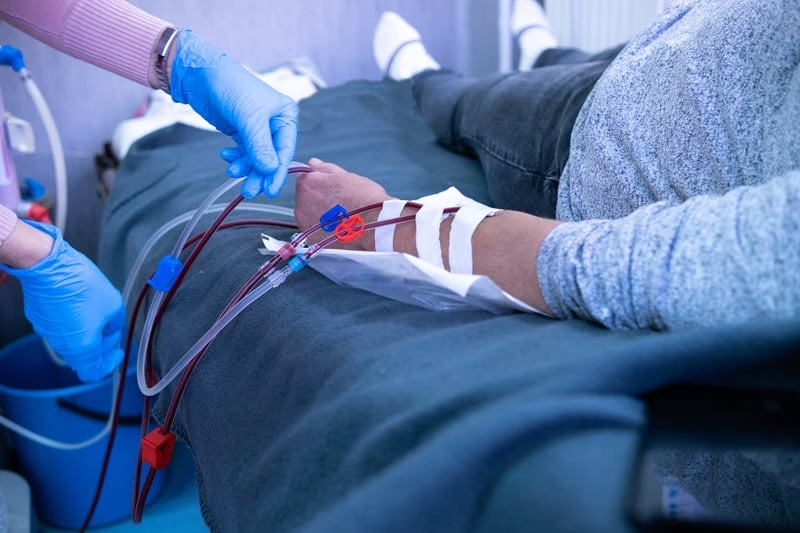
An arteriovenous fistula, often called an AV fistula, is a direct connection between an artery and a vein. It is considered the preferred type of access for hemodialysis because it provides good blood flow, lasts longer than other access options, and has fewer complications over time.
At SKI Vascular Center, an AV fistula can be created in two ways:
- Traditional surgical fistula creation
- Percutaneous fistula creation using a minimally invasive device called Ellipsys
Your care team will work with you to determine which method is best based on the size and health of your veins, among other factors.
Surgical AV Fistula Creation
In a surgical fistula, a small incision is made to directly connect an artery to a vein. This procedure is usually done in the arm and is performed in an outpatient setting. After surgery, the fistula slowly develops the strength and size needed for dialysis. Most surgical fistulas require several weeks to a few months to mature before they are ready to use.
Percutaneous AV Fistula Creation
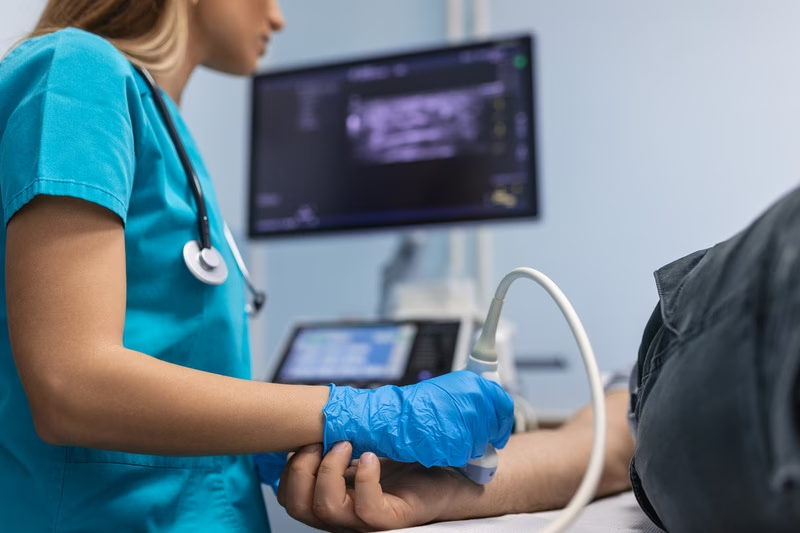
Percutaneous fistula creation is a minimally invasive alternative. Instead of an incision, the fistula is created through a small needle puncture in the skin. Using ultrasound guidance, a device such as Ellipsys brings the artery and vein together and seals them to form the connection. Because this approach does not require open surgery, recovery is often quicker and the puncture site heals more rapidly. Many patients appreciate the less invasive nature of this option.
Benefits of an AV Fistula
AV fistulas offer several advantages for long-term dialysis care, including:
- Lower infection risk compared to grafts and catheters
- Better blood flow for dialysis
- Longer lifespan, with proper care and maintenance
- Fewer access-related complications over time
Whether created surgically or percutaneously, a well-functioning fistula provides the most reliable access for ongoing dialysis.
When Dialysis Can Begin
A fistula must reach a certain size and strength before it can be used for dialysis. Surgical fistulas often need several weeks to months to mature. Some fistulas, especially percutaneous fistulas, may need additional procedures to assist the maturation process. Your vascular specialist and dialysis team will monitor progress and let you know when your access is ready.
Our Approach to Your Care
At SKI Vascular, we provide advanced access procedures in a comfortable outpatient setting. Our team works closely with your treating nephrologist to evaluate your vessels, determine the best type of access, and support you from placement through long-term use. Our goal is to create a strong, reliable fistula that supports your dialysis care and fits your lifestyle.